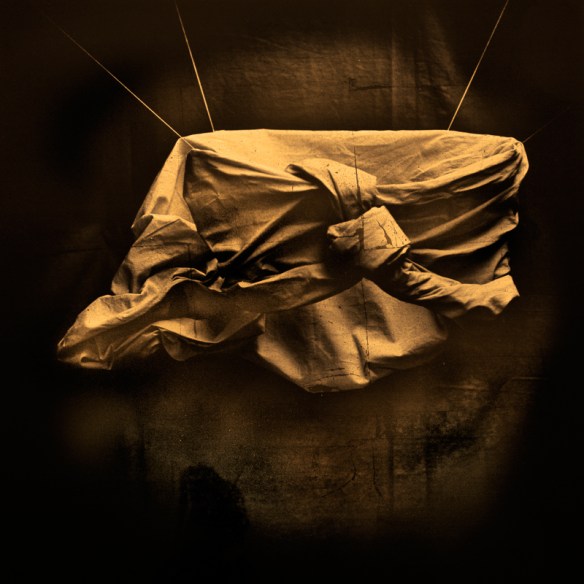
Luis González Palma. 1624, from the series La Luz de la Mente, 2005. Película orthocromática y láminas de oro.
Luis González Palma. 1624, from the series La Luz de la Mente, 2005. Película orthocromática y láminas de oro.

Julia Margaret Cameron Iago – or study from an Italian 1867 Science Museum Group collection
What follows is the next instalment of my re-posting of the various pieces that first appeared in the Financial Times in early 2013, in my discontinued series Hodgson’s Choice. I have had some misgivings about this one, not because of any doubt that the picture is wonderful – it is, and my insistence on having it in my ‘collection’ is unchanged. But re-posting reminds me of the deficiencies of my own scholarship – and nobody much likes that. Continue reading
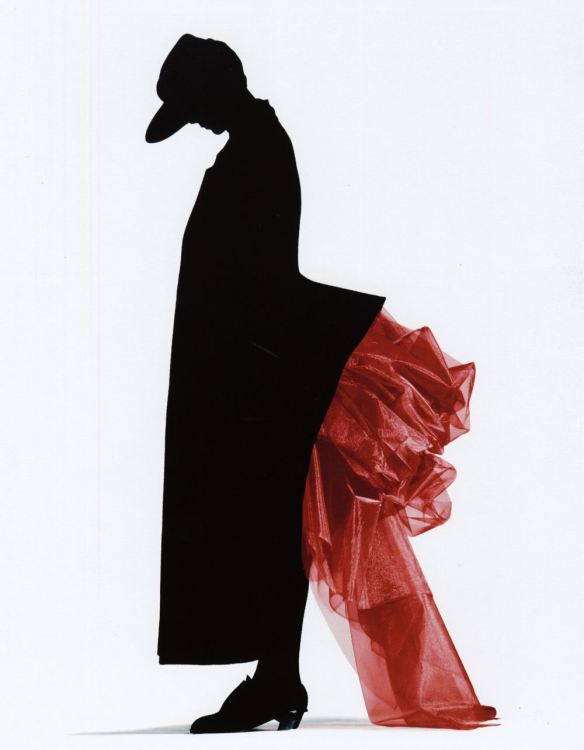
Nick Knight The Red Bustle, 1986
The colours of a bullfight as the sun finally goes down. It’s not complicated. The elements of this photograph are controlled with a curious mix of indulgent austerity, and it remains seductive long after the clothes it was made to sell have passed into the archive. Continue reading
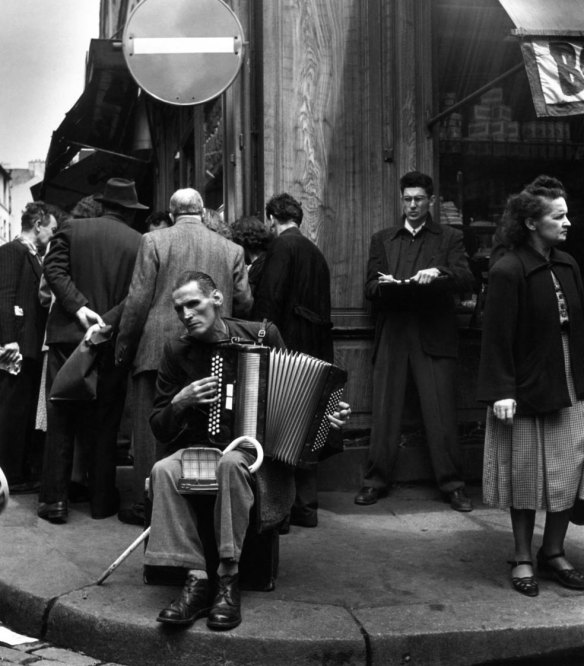
Robert Doisneau L’Accordéoniste de la rue Mouffetard (1951)
I like a bit of French humanist photography as much as the next man, and often for very simple reasons. But they’re not always simple pictures. Brassaï was an intellectual, a writer and a thinker as well as a snapper, whereas Robert Doisneau is thought of as an instinctual, reflex, photographer. He certainly had prodigious reflexes. A picture like this has to be rapidly seized. But that by no means implies that it need be slight. The elegant complexity of what is going on in this charming street scene still takes me by surprise. Never underestimate a great photographer. Continue reading

Henry Peter Bosse : US Dredge Phoenix 1885
[Rare studies of work on the Mississippi by Henry Peter Bosse, who was an engineer first and a photographer only second.] Continue reading

Richard Misrach: Submerged Trailer, Salton Sea, 1983. Richard Misrach is represented by the Fraenkel Gallery in San Francisco, California.
As a co-founder of the Prix Pictet, awarded since 2008 for images on the theme of sustainability, I have thought a lot about environmental photography. I know that Richard Misrach takes his place in a long line of predecessors, from Carleton Watkins through Ansel Adams and the New Topographics. I know that both irony and the sublime had been found in the landscape many times before him. I’m British, and know well that tradition of engaged landscape photography represented by Fay Godwin and before her by Bill Brandt. But somehow, for me, it always goes back to Misrach, who was born in Los Angeles in 1949. Continue reading

August Sander Pastrycook, 1928. © Die Photographische Sammlung/SK Stiftung Kultur – August Sander Archiv, Cologne; DACS, London, 2011. © Die Photographische Sammlung/SK Stiftung Kultur – August Sander Archiv, Cologne; DACS, London, 2011.
I have been inconstant about my favourite August Sander photograph. For a long time I had postcards of the three most perfectly Weimar of them pinned just to the right of my desk. Continue reading
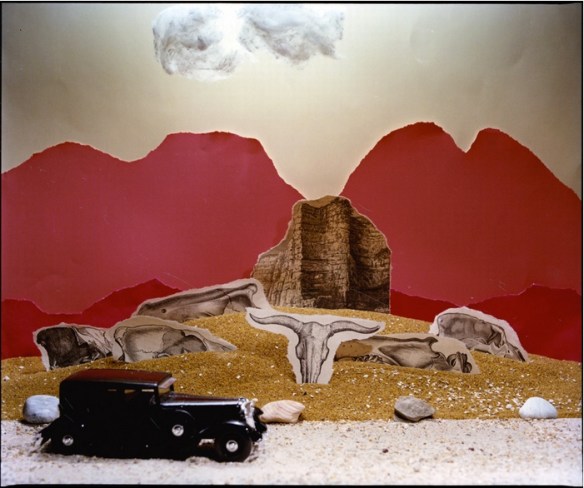
Mari Mahr – New Mexico 1931. From the series Georgia O’Keeffe (1982)
Mari Mahr is a brilliant artist of Hungarian origin who divides her time between London and Berlin. Continue reading
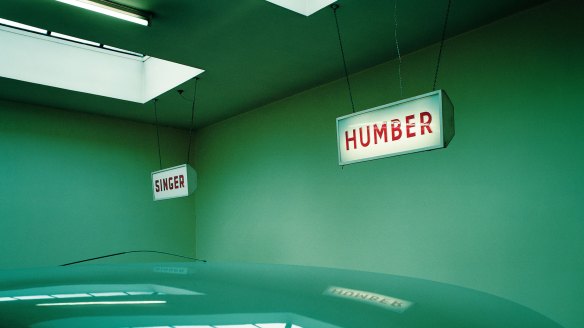
Paul Graham; Garage on the Great North Road, Edinburgh, 1981
[Continuing to re-post pieces from my 2013 series Hodgson’s Choice]
Paul Graham changed my attitude to colour. An excerpt from a gallery text on his own website says that he “belongs to a rare group of photographers that were the final generation to enter photography before it became part of the broader contemporary art world.” That’s true, and it has nothing much to do with exact dates. Along with such as Philip-Lorca di Corcia and even Nan Goldin, Graham remains a photographer, not an ‘artist-working-with-photography’. Graham won the Hasselblad award last year (2012), the first Briton to do so. He’s an international player. Yet, in our very British way, in the UK he’s hardly known outside photographic circles. Continue reading
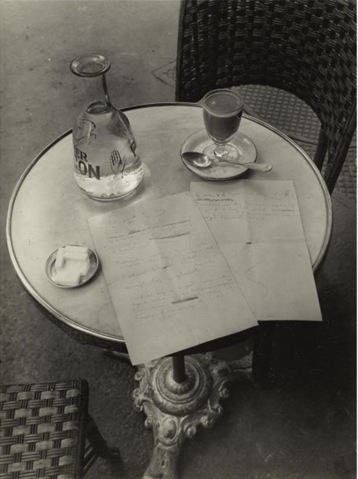
André Kertész Ady’s Poem, 1934. From Az Igazi Ady (Le Véritable Ady) [The Real Ady]. Text by György Bölöni. Photographs by André Kertész and others. Editions Atelier de Paris, Paris, 1934.
 Francis Hodgson